Saad
صArabic Quick Mnemonic
“Sunrise circle”
Saad and Daad look like the handle of a saber sword or a spoon.
More mnemonics →About the Arabic Letter ص Saad
Saad is a Sun Letter that shares a basic shape with Daad.
Saad is the sound-mate of the letter Seen ( س ), and it makes a gruff 's' sound that is not really found in English.
To pronounce Saad correctly, you must press your tongue against your upper gum area, right where the gum meets your upper teeth, and then make an s sound.
Saad is connectable to both sides.
You may also see this letter spelled as Sad.
Look-alikes
Saad ( ص ) and Daad ( ض ) are shape-mates. And they also look a bit like the previous two letters, Seen ( س ) and Sheen ( ش ).
How to Write the Arabic Letter ص Saad
Most Arabic letters change shape depending on where they appear in a word. Saad connects on both sides.
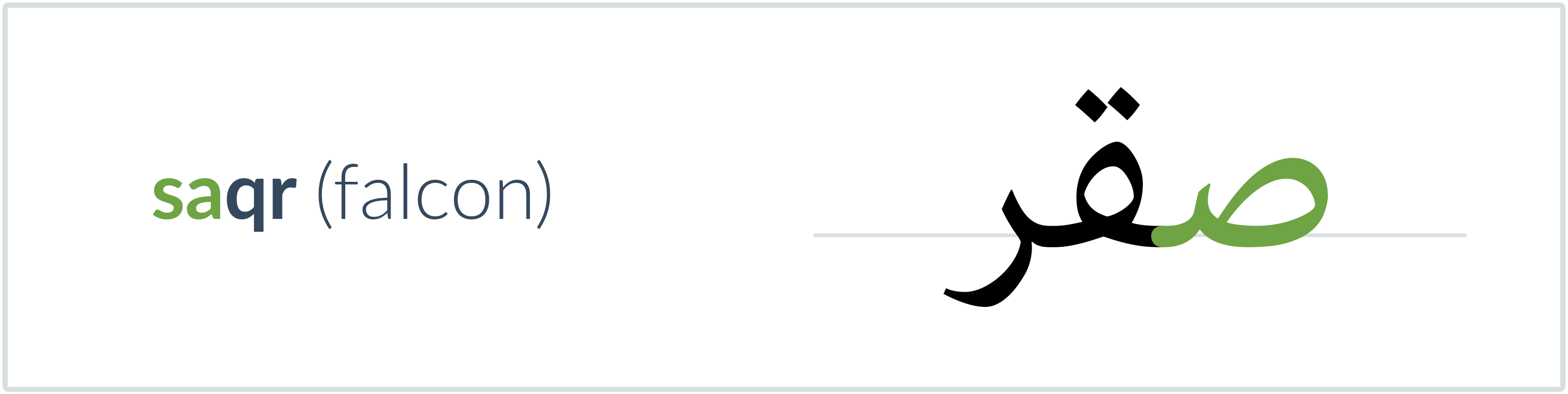
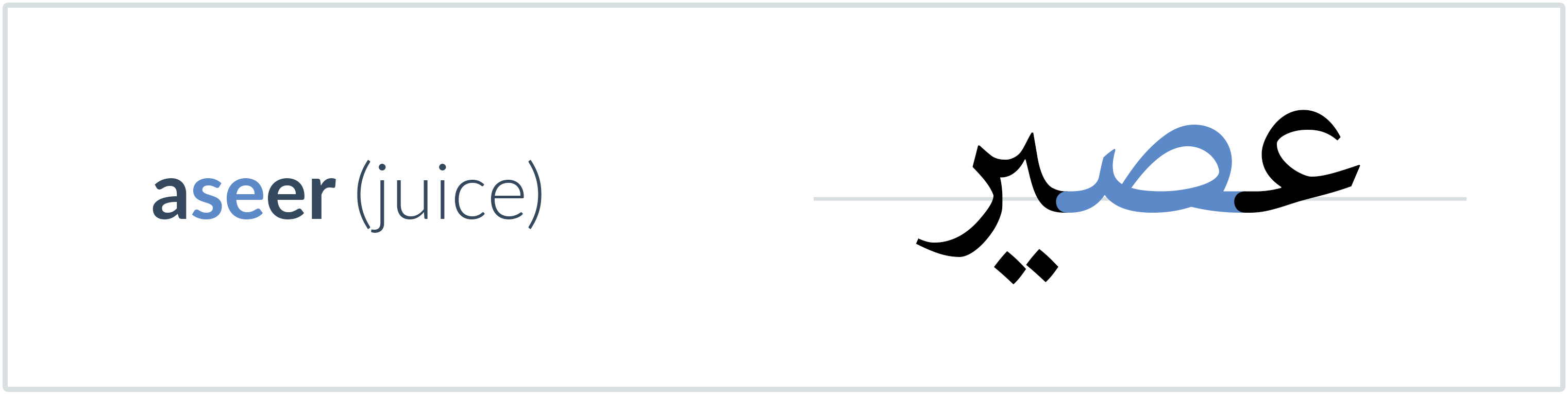
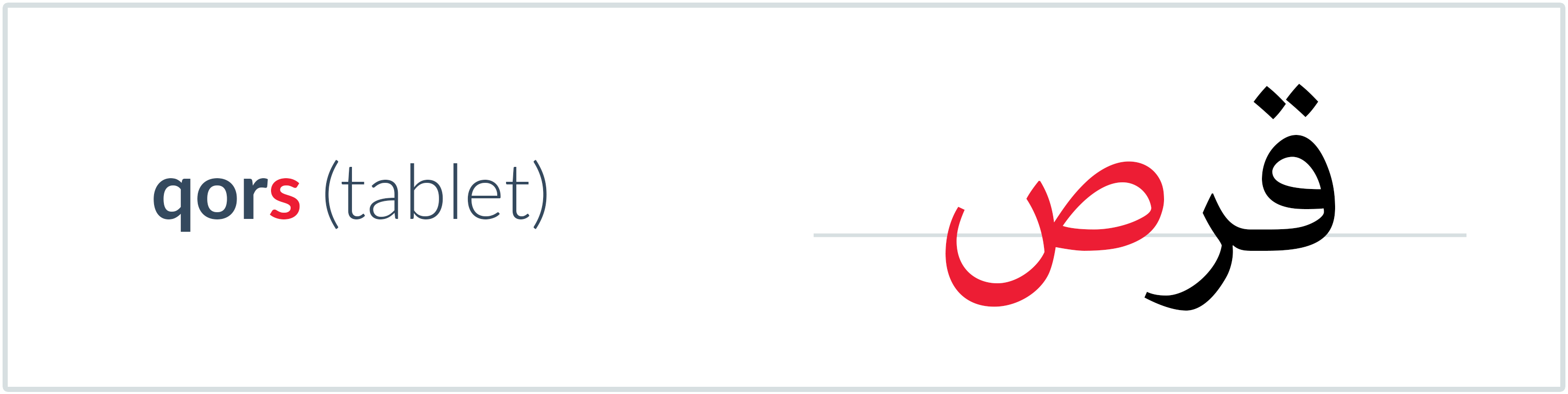
Example Arabic Words with ص Saad (tap to hear)
ص Saad with Tashkeel
Arabic vowels are written as small marks above or below the letter. Tap to hear Saad with each short vowel.
Fatha (a)
Short "a" sound
Damma (u)
Short "u" sound
Kasra (i)
Short "i" sound
Saad is a Sun Letter
Saad is a sun letterSun letters absorb the ل in ال (al-) — the letter's own sound doubles instead. (حرف شمسي). When the definite article ال (al-) comes before Saad, the ل assimilates and is not pronounced separately — the Saad sound doubles instead. For example, ال + ص... is pronounced as aṣ-ṣ (emphatic s)...
Key Takeaways: Arabic Letter Saad
- • Saad is written ص and sounds like /ṣ (emphatic s)/
- • Arabic Quick mnemonic: think of a Sunrise circle to remember its shape
- • It is a sun letter and connects on both sides
- • It has four forms: isolated, initial, medial, and final